Introduction
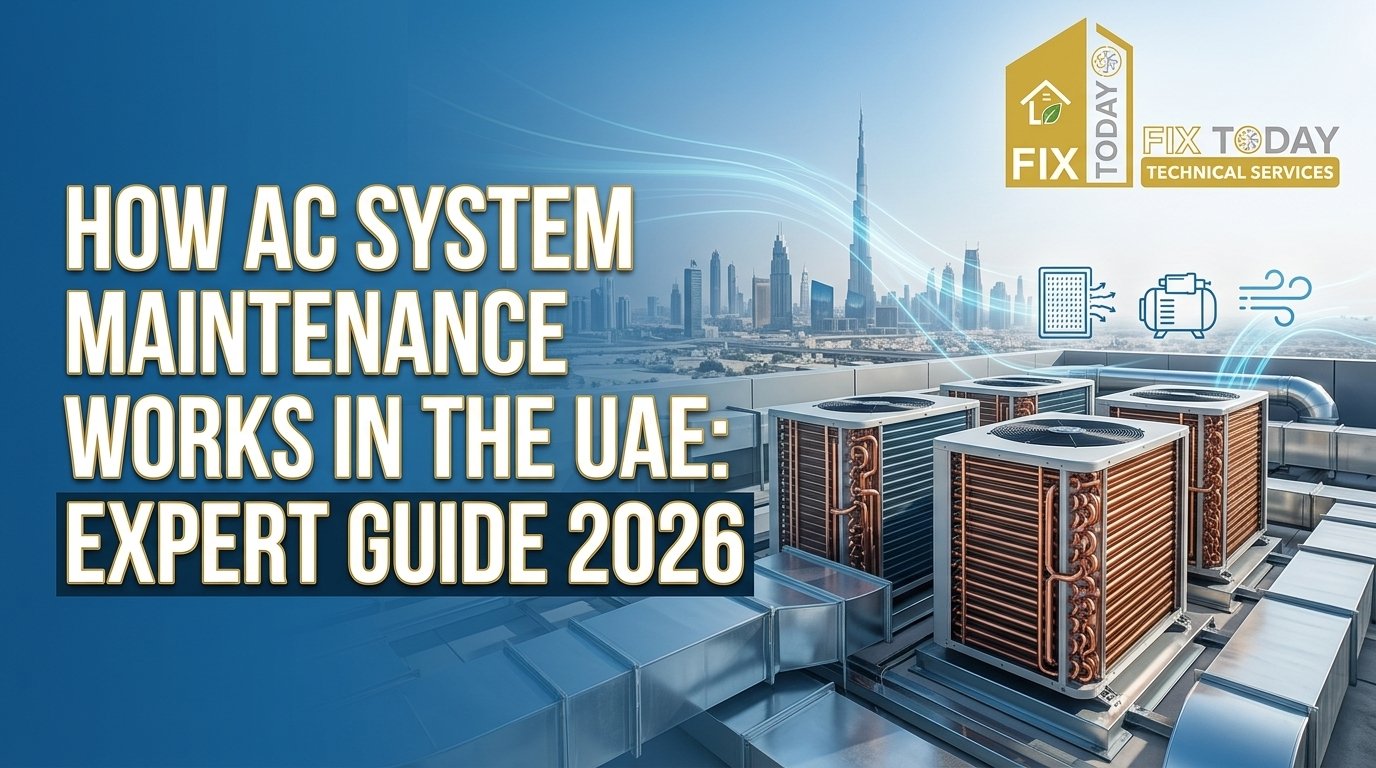
Maintaining your cooling system is no longer a choice; it makes a lot of sense to be comfortable, save, and be reliable. AC system maintenance helps prevent sudden breakdowns, rising energy bills, and uneven cooling that many homeowners experience without warning. Miscellaneous unattended problems can end up in the form of an expensive fix in case of a lack of proper care.
By understanding how AC system maintenance works, you can protect your investment and enjoy consistent indoor comfort year-round. Regularly check and clean, and tune-ups enhance performance, extend equipment life, and also make sure that your system operates smoothly every time there is peak demand at the height of summer.
Why Does Regular AC System Maintenance Improve Overall Efficiency?
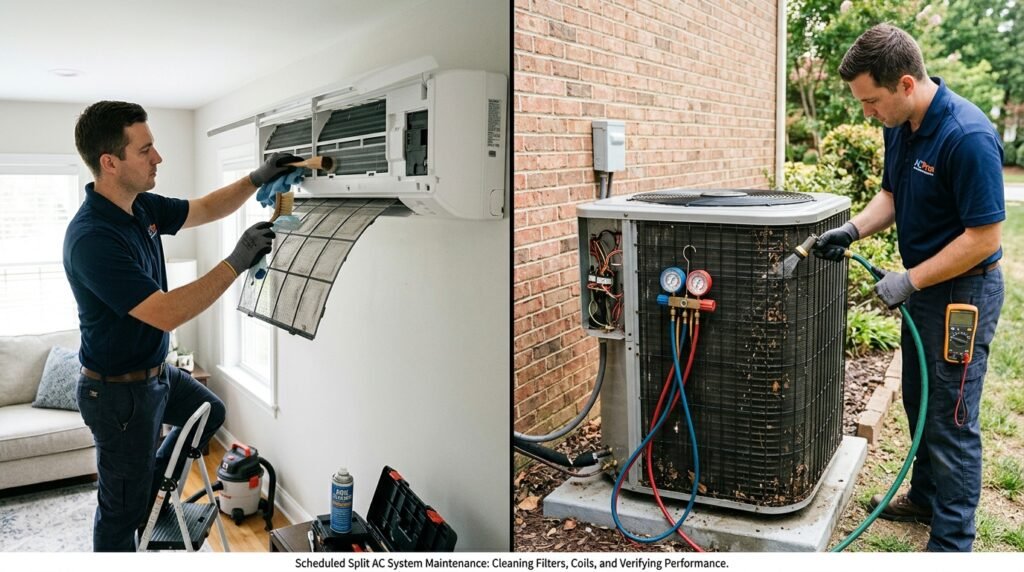
Periodic maintenance ensures that all parts are in a clean state, calibrated and working within the design limits of the manufacturer. Systems that receive routine AC system maintenance cool spaces more quickly, cycle efficiently, and consume less electricity over time. This enhanced efficiency is not only felt in the level of comfort, but also in the reduction in the monthly energy expenses and reduced cases of emergency repairs. The lack of maintenance causes neglected systems to have difficulties in air movement, spreading the temperature, and ensuring the consistency of performance, which increases energy bills and lowers comfort.
Through professional maintenance in hvac, technicians regain the balance of air flow, clean the coils and fans and correct simple inefficiencies, before they get out of control. Periodic maintenance also involves checking of refrigerant levels, checking of electrical connections and cleaning up of accumulated debris that limits airflow. This ensures that the system parts are in optimum condition, with a resultant homeowner-easy operation, with fewer wear and tear on mechanical parts, and an optimized cooling performance no matter what season it is.
The way Clean Components save on energy.
They are clean coils, filters and fans that enable free flow of air in the system. Removal of dirt, dust and grime will result in the system attaining target temperatures sooner and prevent lengthy run-cycles, which consume energy. Proper split AC system maintenance or central AC system maintenance ensures every component operates at maximum efficiency, reducing strain on compressors, motors, and fans. In the long run this will provide big savings on electricity bills and would extend the life span of important parts.
Frequent cleaning eliminates airflow obstructions that may lead to uneven cooling, hot spots and cold spots as well as unnecessary cycling. Having clear passages to air, systems have uniform room temperatures, quieter running and reduced mechanical loads.
How Proper Airflow Balance is Important in Performance.
Well-distributed air flow will guarantee uniform cooling of the whole house or the business premises, and any hot or cold areas will be eliminated, which will decrease comfort. Correct airflow also avoids excessive compressor pressure as well as fan motor and ductwork pressure which assists the system deal with peak load conditions more effectively. When there are high demands the system runs with ease when the airflow has been maintained without overheating or causing safety shutdowns.
Also, good air flow reduces energy waste because it is guaranteed that this system does not overcompensate on ducts that are blocked or uneven. Maintenance of HVAC, which includes airflow balance, including duct inspection, coils cleaning and replacement of filters, will maximize the performance of the system, prolong the life of equipment and improve overall comfort at home.
How Does AC System Maintenance Extend Equipment Lifespan?
Routine AC system maintenance plays a crucial role in extending the operational life of both residential and commercial cooling systems. Certain premature wear is prevented through frequent inspection and maintenance of the parts such as friction, vibrations, electrical strain and the presence of refrigerant imbalance at their initial stages. Properly maintained systems will have lower rates of mechanical breakdowns, will be operated within specification limits and performance will last over several years. Lack of maintenance may cause rapid wear of the important parts and hence provision of expensive parts and loss of reliability.
Consistent split AC system maintenance or central AC system maintenance ensures that indoor and outdoor units remain properly aligned, minimizing stress on motors, fans, and refrigerant lines. The balanced operation will help avoid excessive working of the compressor and other important components and this will clearly lead to a longer life of the equipment. It also reduces heat strain and airflow barriers by frequent cleaning of coils, vents, and filters to maintain all the components in optimal operation at peak condition.
Eliminating Mechanical Damage on Essential Parts.
They are done during routine service, which involves lubrication of moving parts, tightening loose connections, and cleaning up the coils to minimize unnecessary friction. The steps will avoid overheating, limit part fatigue and make sure that the motors, fans, and compressors work within safe limits. Early prevention of small mechanical problems will eliminate cascade problems that may affect the performance of the systems. With maintenance of components in optimum condition, homeowners and facility managers have an easier time operating and less frequent repair needs as well as less frequent unexpected shutdowns.
Minimization of Long-Term Repairs.
Minor problems that are frequently identified in the initial phases like refrigerant leakages, damaged capacitors or blocked filters are majorly important to minimize the occurrence of big problems down the line. Proactive maintenance of HVAC enables the technicians to mitigate possible issues before it turns into an emergency that will cost a lot to fix. Planned repair is also a good avenue to check ductwork, clean coils and check the electrical connections and this is useful in the reduction of repairs in the long run. This active technology will keep the system running smoothly to provide consistent cooling and to be energy efficient in the long run, as well as increasing the overall life of the equipment.
Why Do buildings need HVAC maintenance to maintain indoor air quality?
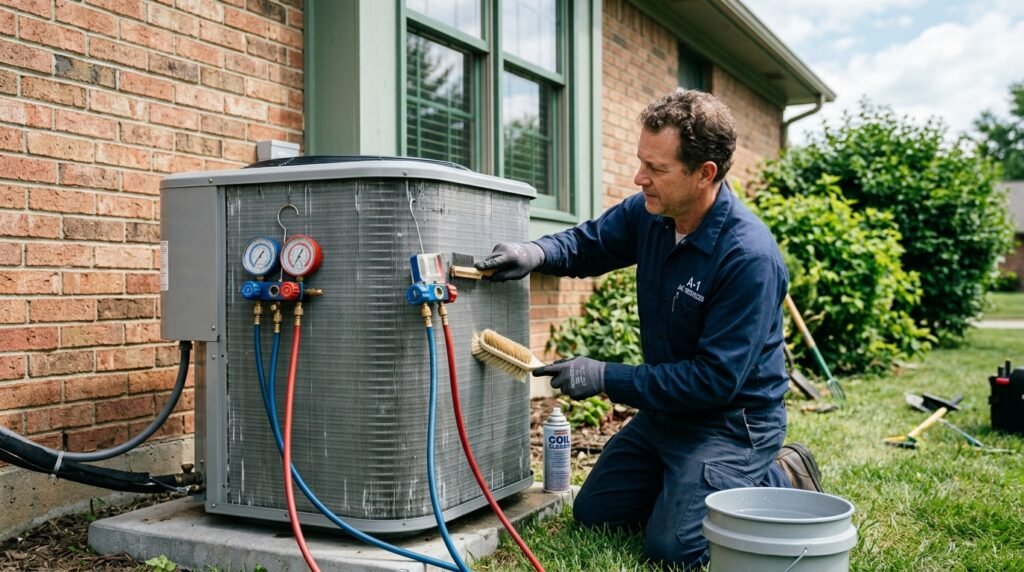
Not only is regular maintenance of HVAC systems a necessity in ensuring efficiency of the system, but also in ensuring healthy indoor air. In absence of good maintenance, dust, pollen, pet dander and microbial particles can freely move around the vents, ductwork and the living space. With time, these pollutants build up resulting in low-quality indoor air, bad smell, and a high chance of allergies or respiratory distress. Proper AC system maintenance ensures that airflow remains clean, air is filtered effectively, and environmental conditions stay healthy for all occupants, especially in homes, offices, and commercial buildings.
Regular maintenance deals with not easily seen areas like the molds on coils and blocked filters, as well as stagnant water in drip pans, which are the most common sources of indoor pollutants. Clean airflow is not only more comfortable to breathe but also reduces odor, prevents dust in the system, and avoids contamination of microbes spread throughout the system. To families that have children, the elderly, and those who are respiratorily sensitive, it is important to ensure the indoor air quality is high by checking on the HVAC system around them regularly.
The Process of Dust and Contaminants Circulating without Maintenance.
Dirty filters, not maintained coils and dirty ducts permit movement of air particles in the property without any hindrance. Dust, pollen, and spores related to molds can worsen allergies, cause asthma, and decrease the level of indoor comfort. With time, built-up debris also inhibits airflow, causing the system to strain itself more, which consumes more energy. These unchecked, hidden pollutants lead to long-term issues in terms of air quality and system performance without any regular inspections.
Filter and Coil Care: Role in Cleaner Air.
Properly maintained filters can stop dust, pollen, and other particulates prior to their entry into living spaces, and coil cleaning will stop the development of mold and other microorganisms on delicate surfaces. All these practices will assist in keeping the indoor air fresh and breathable and also ensure that the AC system is operated efficiently. Failure to maintain the filters and coils may result in defective cooling, repeated smells, and escalated strain on the system parts. Proper maintenance, including split AC system maintenance or central AC system maintenance, ensures both energy efficiency and optimal air quality, creating a safe and comfortable indoor environment for all users.
Is DIY maintenance of AC Units Effective?
Basic AC unit maintenance DIY can help homeowners maintain system cleanliness and airflow between professional services. Basic maintenance will ensure that the dust does not build up as it could cause minor inconveniences; clean the vents and coils and also enable the system to work more effectively. Periodic DIY maintenance also allows the owners to detect possible problems at an early stage, e.g., strange noise, leakage, or poor cooling efficiency. However, while AC system maintenance DIY can support overall efficiency, it has clear limits and cannot replace professional inspections, diagnostics, or complex repairs.
Necessary DIY repairs increase comfort and decrease energy consumption when combined with regular professional services. There are also simple interventions, such as maintaining an area surrounding outside units clean and free of debris, that avoid dust and other debris from getting into the system. Having the knowledge about the safe DIY activities, the homeowners can perform the HVAC maintenance without jeopardizing the delicate parts and invalidating the warranty.
What AC Unit Maintenance DIY Can Safely Cover
Homeowners can safely handle several basic AC unit maintenance DIY tasks to keep their systems running efficiently between professional services. Replacing or cleaning air filters assures that air flow is clean, dust does not circulate and that internal parts do not get accumulated. Removal of visible debris around out-of-door units avoids hindrances which may lower the efficiency of the condenser and cause pressure on the system. Smoking thermostat controls are used to ensure the thermostat controls are correctly set and the systems are timed correctly so that the AC works. Also, cleaning of the available vents and registers will ensure the smooth flow of air and lessening the number of indoor allergens, which will help to improve indoor air quality and comfort.
weaknesses of DIY Maintenance to Complex Systems.
Although DIY activities are useful in terms of simple maintenance, it cannot substitute the services of professionals in the area of technical or high-risk maintenance. Some elements and processes will involve particular equipment, education and safety measures. Performing high level tasks where there is no expertise may result in damaged components, decreased system performance, or safety issues. For optimal results, DIY maintenance should always be supplemented with professional AC system maintenance visits to ensure long-term reliability and efficiency. Key limitations include:
- Electrical testing: This involves professionalism in order to prevent shocks or damage to the wiring.
- Fridge treatment: improper treatment may lead to leakage, or environmental pollution or ineffectiveness of systems.
- Cleaning of deep coils: Cleaning of deep coils requires specific tools to prevent the damage of the fins and guarantee the complete cleaning process.
- Checking of compressors and motors: This is vital in averting serious failures and also in maximizing performance.
- System diagnostics: Experts are able to detect concealed problems that cannot be detected by amateur checks.
Why Are Commercial and Central Systems to Be serviced?
The cooling systems of large scale are more prone to wear and inefficiency because they operate 24 hours and have increased loads. Commercial AC maintenance ensures these systems remain reliable under constant demand, varied occupancy levels, and fluctuating environmental conditions. Similarly, central AC system maintenance is critical for maintaining proper airflow balance, temperature consistency, and energy efficiency across extensive spaces. Regular check-ups are also able to detect the initial signs of mechanical stress, refrigerant problems or imbalances of airflow and stop the expensive emergency repairs and extended downtime. Planned maintenance eventually provides comfort as well as life span of the system in the busy environment.
Challenges in Commercial AC Maintenance Systems
- Various areas and numerous sets of ducts make it difficult to control the airflow.
- An increase in the number of hours with the higher runtime enhances wear on compressors, fans, and motors.
- Higher air distribution complexity necessitates careful balancing in order to be effective.
- The regulation of the indoor temperatures in the expansive areas requires constant care.
- Occupancy increase is capable of influencing cooling load and stress on the system.
- Restaurant rooms are used frequently or offer a lot of traffic that creates an extra burden on operations.
- The maintenance of various types of equipment (chillers, rooftop units, split systems) is to be coordinated.
- Procedural complexity is created by compliance with building codes and indoor air quality standards.
- Load changes caused by seasonality require dynamism in order to achieve efficiency.
Importance of Central AC System Maintenance for Large Spaces
Routine maintenance of central ACs will help in even cooling, minimizes unnecessary power use and it helps to avoid overworking of a system. It makes sure that the indoor and outdoor units are in harmony with each other, ducts are clean and the refrigerant levels are optimum. By addressing minor issues proactively, central AC system maintenance also reduces the risk of sudden failures, extending the lifespan of expensive equipment.
How Often Should AC System Maintenance Be Performed?
Residential and commercial AC systems are mostly advantageous in terms of scheduled services at least twice a year- before the peak summers and winters seasons when cooling and heating requirement is at the peak. Periodic checks can also be used to detect small problems, e.g. refrigerant leakage, deteriorated parts, or air blockages, before they develop into expensive maintenance. It can also be necessary to check up on homes located in dusty, humid or coastal environments or buildings with a large occupancy or pets in order to keep them in the best condition. Besides, the old systems or units that have a high rate of running should have quarterly maintenance to avoid unexpected failure and prolong the life. Searching for hvac system maintenance near me allows homeowners and facility managers to access timely professional support tailored to local climate conditions, ensuring efficient, reliable, and safe operation throughout the year.
System Type Recommended Maintenance Frequency.
- Residential split systems: biannual.
- Mode of central systems: biannual checks.
- Business systems: quarterly maintenance of heavy use systems.
- Homes having pets or high levels of dust: every 3-4 months.
- Edifice in inhumid or seashore: increased inspections in order to avoid corrosion and mould.
- HVAC systems that are older (10+ years): should be checked at least once every three months to avoid unplanned failures.
- Commercial areas with high occupancy: filter and airflow checking every month, between quarterly inspections of complete control.
Indicators Your System needs to be fixed.
- Increasing electricity costs on the same consumption.
- Shaky or poor airflow of vents.
- Abnormal sounds (grinding, rattling, buzzing, etc.).
- Bad smells emerging in the system or ducts.
- Constant on and off cycling without attaining desired temperatures.
Routine AC system maintenance is not just about preventing breakdowns—it also enhances comfort, improves energy efficiency, and protects the long-term performance of your HVAC investment.
FAQs (People Also Ask)
How often should AC system maintenance be done?
The majority of systems are optimal with at least two maintenance per-year.
Are frequent maintenance inspections a way of lowering the electricity bills?
Yes, more efficient systems use less power and cool off quicker.
Is HVAC maintenance different from AC system maintenance?
HVAC is about heating and ventilation whereas AC is about cooling.
What is the outcome when maintenance is not taken care of?
Productivity is reduced, air pollution is aggravated, and the risk of a breakdown grows.
Is split AC system maintenance different from central systems?
Yes, split systems provide an accent on indoor care of the units, whereas central systems accent airflow and ducts.
Conclusion
Consistent AC system maintenance delivers long-term efficiency, comfort, and reliability. Routine care does not only avoid expensive upheavals but also contributes to better comfort on a daily basis, energy saving and cleaner air, among other benefits. To have reliable cooling and reduce the operating expenses, book an appointment. Maintenance on the proactive is not a cost; it is an intelligent investment in comfort and performance.
Need professional AC maintenance in the UAE? Contact Fixtoday today to schedule an inspection and keep your cooling system running at its best all year round.