A reliable electrical contractor in Dubai is a licensed, DEWA-approved professional who handles electrical installations, repairs, testing, and routine maintenance. They use certified materials and test every circuit before handover.
Poor or rushed electrical installations cause tripped breakers, fires, and costly repairs, but most faults are preventable. This guide explains what proper electrical work looks like and what to expect from a reliable electrical contractor in Dubai.
What Is Electrical Work, and Why Does It Matter?
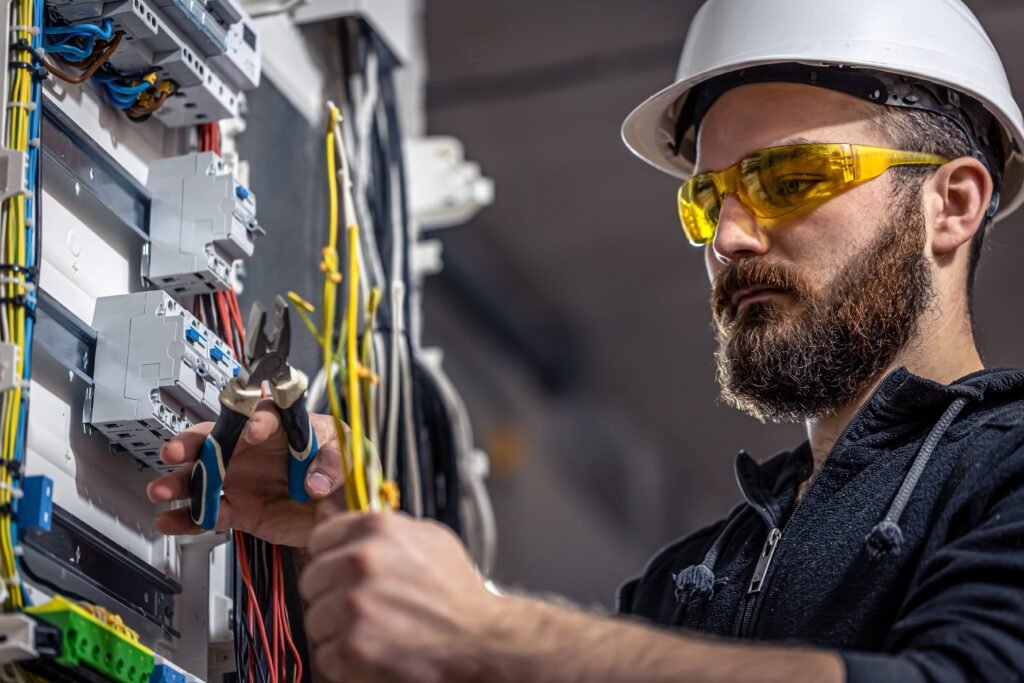
Electrical work encompasses all tasks related to the design, installation, repair, and maintenance of electrical systems in buildings. It ranges from wiring a single power point to commissioning a full commercial switchboard. In Dubai, where climate extremes and high-density construction put extra strain on electrical infrastructure, the quality of this work directly determines how safe and reliable your property is. Cutting corners here is never worth the risk, whether you are a homeowner in Jumeirah or a facilities manager in Business Bay.
Understanding Different Types of Electrical Work
There are several distinct categories that licensed electricians handle daily. Knowing which type applies to your situation helps you brief contractors accurately and avoid scope creep on quotes.
- Residential electrical work wiring, circuit boards, and power points in homes and apartments.
- Commercial electrical work high-load systems, emergency lighting, and three-phase power for offices and retail.
- Electrical installation work, new fit-outs, switchboard upgrades, and cabling for builds or renovations.
- Electrical maintenance work ongoing inspections, fault-finding, and preventive servicing.
Importance of Professional Electrical Work in Daily Life
Each appliance that you use like air conditioners, water heaters, elevators, and smart home devices, needs good electricity installation to function properly. In Dubai, hiring a qualified electrician guarantees the proper rating of circuits, proper earth installation, and balanced loading in your electrical connections. It should be noted that this isn’t only important for ensuring comfort, but the Dubai Electricity & Water Authority (DEWA) has set certain standards for installing electrical wiring that one must follow to get a connection.
What Is Electrical Maintenance Work and How It Helps
Electrical maintenance work is the systematic process of inspecting, testing, and servicing electrical systems to keep them running safely and efficiently. Think of it the same way: you think about servicing your car, skip it for long enough, and you end up stranded. In Dubai’s environment, where summer temperatures can push electrical components to their limits, scheduled maintenance is not optional; it is the difference between a reliable system and an unexpected shutdown that costs far more to fix than it would have to prevent.
Key Components of Electrical Maintenance Work
A thorough maintenance programme typically covers the following areas:
• Switchboard and circuit breaker testing to verify trip responses.
• Thermal imaging to detect overheating connections before they fail.
• Cable insulation resistance testing across all circuits.
• Earth continuity and RCD (residual current device) checks.
• Cleaning and tightening of all termination points.
• Load assessment to ensure circuits are not running above rated capacity.
How Regular Maintenance Prevents Electrical Failures
Electrical problems rarely show up suddenly; rather, they build up over time because of heat cycles, vibrations, and corrosion. Electrical maintenance services will be able to spot these red flags before they result in total breakdowns or fires. This type of arrangement would be very advantageous for businesses that are open 24 hours in Dubai because any unexpected power loss would cause them to stop functioning altogether, resulting in damaged goods stored in refrigerators or triggering safety signals.
Essential Electrical Safety Tips at Work and Home
Electrical safety tips at work and home boil down to awareness and some easy practices that any individual can follow. Although Dubai laws mandate that all employers create a safe environment for their employees, having basic knowledge about electricity will help you avoid potential risks. Whether you are in a commercial kitchen, a construction site, or a family home, these principles apply universally and could genuinely save a life.
Common Electrical Hazards to Be Aware Of
Here are the risks that electricians with licenses observe more often in the Dubai region:
•Power boards that carry several high-amperage devices from one electrical circuit.
• Cables that are damaged by being bent, frayed, or chewed by rodents, exposing live wires.
• Humidity at electrical junctions, particularly in kitchens, bathrooms, and outside spaces.
• Homemade electrical installations done without proper licensing and insurance coverage.
• Outdated or inadequately sized switchboards that cannot support the power needs of modern equipment.
Practical Electrical Safety Tips for Everyday Use
Some basic safety tips related to electrical safety are given below. They could be easily followed in workplaces and homes alike:
1. Avoid overloading outlets and do not use more than one adapter without a surge protector.
2. Disconnect unused devices and turn them off when not in use, particularly during nighttime.
3. Always keep water away from electrical appliances.
4. If any strange smell, flickering lights, or hot switch plates appear, consult a licensed electrician.
5. Have your buildings audited by an electrical expert once every two years or prior to purchasing a property.
6. When any electrical repair is required outside in Dubai, ensure its water and heat resistance.
Understanding Residential and Commercial Electrical Work
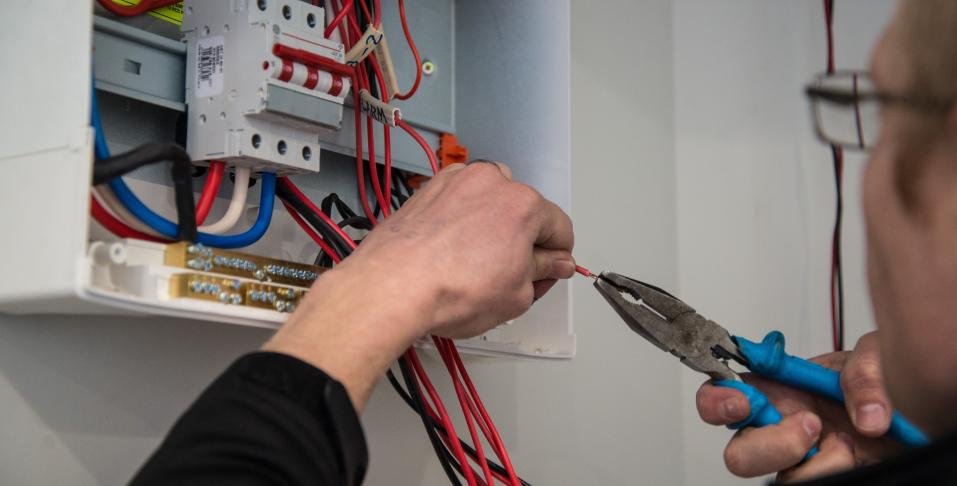
All electrical work is not alike. This becomes obvious once you begin the process of finding a contractor or determining how much it will cost to have a particular job done. There is no doubt that an electrical task carried out on a family villa will be very different from the work required in a commercial structure such as an office tower.
What Is Residential Electrical Work and Where It Applies
Residential electrical work covers everything inside homes, apartments, townhouses, and villas. This includes rewiring during renovations, installing additional power circuits for home offices or EV chargers, upgrading switchboards, and fitting smart home automation systems. In Dubai’s villa communities, where properties are often extended or reconfigured, residential electricians also handle outdoor lighting, pool equipment circuits, and garden irrigation power. Always verify that your contractor holds a DEWA-approved licence before starting any residential job.
Benefits of professional residential electrical work:
• Compliance with DEWA connection requirements and local building codes.
• Correct sizing of circuits for air conditioning and high-draw appliances.
• Safe integration of solar panels and battery storage systems.
• Reliable earthing systems that protect occupants from electric shock.
How Commercial Electrical Work Differs in Scale and Needs
Commercial electrical work operates at a different scale entirely. Commercial sites require three-phase power distribution, dedicated circuits for heavy equipment, emergency lighting systems, and complex control panels that residential setups simply do not need. Retail centres, hotels, hospitals, and data centres in Dubai all depend on highly engineered electrical infrastructure to operate safely and without interruption. An experienced electrical work company will manage these projects end-to-end, from design and load calculations through to DEWA authority approval and final commissioning.
Key features of quality commercial electrical work:
• Three-phase power installation for large machinery and plant.
• Civil defence emergency lighting and signage installation.
• Installation of power factor correction panels to save on electricity bills.
• Installation of dedicated circuits and sub-metering to manage energy effectively.
• Installation of structured cabling and cable containment for easy access to the system.
A Guide to Electrical Installation Work in Dubai
Electrical installation works form the very heart of the construction process. Proper electrical installation ensures that all other systems that follow, such as lighting, HVAC, security, and data systems, have a strong foundation upon which they can be installed safely. Electrical work in dubai must be done with consideration of not only international codes but also Dubai Electricity and Water Authority guidelines, which are often revised depending on the progress of the city’s development plans.
Basic Process of Electrical Installation Work Explained
The proper management of an electrical installation in Dubai usually involves the following procedures:
- Design and Load Calculation: In this process, the designer specifies the load of each circuit, the size of the switchboard, and the pathway of the cabling system according to the approved architectural plan.
- Approval Process: The drawings are submitted to DEWA and the concerned municipality for approval prior to installing anything on-site.
- First Fix/ Rough-in: Cables are placed in conduits before walls and ceilings are erected.
- Cable Pulling: In this stage, cables are pulled into the conduits and terminated at each point of outlet and switch.
- Second Fix: Switches, sockets, lighting systems, and other equipment are mounted onto the surfaces after finishing.
- Testing and Commissioning: All circuits are tested for their performance before the final inspection by DEWA.
- DEWA Installation: Once approved, the authority provides a connection to the power supply network and issues the certificate of completion.
Regulations and Safety Standards for Electrical Work in Dubai
Dubai requires all electrical installations to meet the DEWA regulations, which are similar to the IEC 60364 standards. The main aspects that need to be considered are the use of approved materials a licensed contractor, and inspections during important phases of the installation process. Failure to comply can result in connection refusals, fines, or far worse unsafe systems that put occupants at risk. Always ask your contractor to provide the DEWA approval documentation before you pay for completed works.
Standards every electrical work company in Dubai must meet:
• DEWA-approved contractor registration and valid licence.
• Use of DEWA-listed materials and approved cable specifications.
• Compliance with IEC 60364 wiring standards.
• Mandatory earthing and bonding of all metalwork.
• RCD protection on all socket circuits and wet area circuits.
• Documented test results submitted with authority inspection requests.
Conclusion
Skilled electrical work is the hidden backbone of safe, working buildings in Dubai. It covers everything from routine electrical services to electrical construction work that meets DEWA standards. Following simple electrical safety tips at home or in the office also cuts the risks.
Whether you need residential electrical work for a villa or commercial electrical work for business premises, the steps are the same: plan carefully, hire licensed professionals, and keep up the maintenance schedule. Proper electrical work in Dubai pays off in safety, reliability, and lower long-term costs.
Now that you know how to protect your property with professional electrical work, ready to get your systems inspected, upgraded, or installed by Dubai’s trusted experts? Contact a FixToday electrical work company today and take the first step towards a safer, more reliable property.