Dubai is hard on pipes. Summer air passes 45°C, rooftop tanks sit in direct sun, and the water in your taps is desalinated and treated before it ever reaches your building. Pick the wrong plumbing materials and you won’t notice for a few years. Then a joint starts sweating, a fitting scales up, or a hidden line leaks behind freshly laid tiles.
This guide walks through eight steps for choosing plumbing materials in Dubai, from defining the job to picking a supplier. It’s written for homeowners, landlords, property managers and small contractors who want to understand what they’re buying before the work starts.
In short: For most Dubai villas and apartments, PPR or multilayer pipe suits hot and cold supply lines, uPVC suits drainage, and HDPE suits buried external lines. Copper is the premium option. Whatever you choose, check the pressure rating and temperature rating, and ask the supplier for test certificates before you pay.
Step 1: Define What You’re Building or Fixing
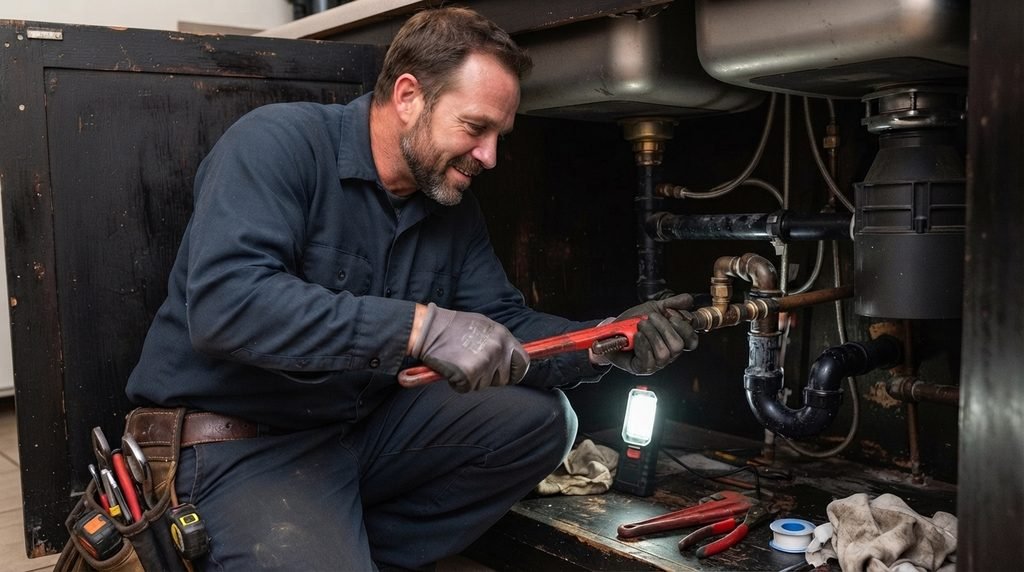
What should you decide before buying plumbing materials? Decide three things first: the type of property, whether the job is new work or a retrofit, and which lines you’re dealing with (hot, cold, drainage or outdoor).
A new villa gives you freedom. You can run concealed lines, choose one pipe system for the whole house and plan fittings in advance. A retrofit is different. You often have to match what’s already in the walls, and mixing incompatible pipes is how leaks start.
Building plumbing materials for a high-rise apartment also differ from those for a villa. Tall buildings deal with higher pressure and more noise from drainage stacks, so wall thickness and pipe type matter more. A ground-floor villa has longer horizontal runs and more outdoor exposure.
Write down your answers to these questions:
- Is this a new build, a renovation or a repair?
- Is the property a villa, apartment, office or warehouse?
- Which lines are involved: hot supply, cold supply, drainage, or buried external pipe?
- Will the pipes be concealed in walls or exposed?
Step 2: Understand Dubai’s Conditions
Why do plumbing materials fail faster in Dubai? Heat, UV light, humidity and water quality all wear pipes down. A material that lasts decades in a mild climate can age quickly here if it isn’t rated for the conditions.
- Heat. Water stored in rooftop tanks can get very warm in summer, so cold lines may carry water well above what people expect. Pipes need a temperature rating that covers this.
- UV exposure. Many plastic pipes go brittle in direct sun. If a line runs outdoors or across a roof, it needs UV-resistant pipe or proper insulation and covering.
- Humidity and salt. Near the coast, moisture and salt in the air speed up corrosion on unprotected metal fittings.
- Water quality. Dubai’s supply is desalinated and chlorinated. Water kept in tanks can also build up scale over time, which clogs narrow fittings and valves. If your tank hasn’t been cleaned in a while, read our guide on water tank cleaning and disinfection in Dubai.
Step 3: Learn the Common Plumbing Materials and What Each One Does
What are the main types of plumbing materials used in Dubai? The main types are uPVC, CPVC, PPR, PEX or multilayer pipe, copper, HDPE and cast iron. Each one suits a different job, so no single pipe is best for everything.
If you’re new to this, the plumbing materials names can sound like alphabet soup. Here is what each one is and where it fits.
| Material | Best use | Handles hot water? | Corrosion resistance | Cost level | Joining method |
| uPVC | Drainage, soil and waste | No | High | Low | Solvent cement |
| CPVC | Hot and cold supply | Yes | High | Medium | Solvent cement |
| PPR | Hot and cold supply | Yes | High | Low to medium | Heat fusion |
| PEX / multilayer | Supply, underfloor runs | Yes | High | Medium | Compression or press fittings |
| Copper | Premium supply lines | Yes | Good, but can pit in aggressive water | High | Soldering or press fittings |
| HDPE | Buried and external lines | Cold water mainly | Very high | Medium | Fusion or compression |
| Cast iron | Drainage stacks in tall buildings | No | Moderate | High | Couplings |
Always confirm the exact limits on the manufacturer’s datasheet. Ratings vary by brand and wall thickness.
uPVC
Rigid and cheap, uPVC is the usual choice for drainage, soil pipes and waste lines. It isn’t meant for hot water, so don’t use it on heater outlets.
CPVC
CPVC looks similar but handles higher temperatures, which makes it suitable for hot and cold supply. It can turn brittle with age or poor installation, so the quality of the fitting and solvent cement matters.
PPR: the quality
PPR is one of the most common supply pipes in the UAE. Joints are heat-fused, which creates a single continuous seal when done properly. The weak spot is the installer. A badly fused joint looks fine on day one and fails later.
PEX and multilayer pipe
Flexible pipe means fewer joints, which means fewer places to leak. Multilayer (PEX-AL-PEX) pipe adds an aluminium layer for stability. It works well for manifold systems and runs inside floors or walls.
Copper
Copper has a long track record and is safe for drinking water. It costs more, and in some water conditions it can develop pinhole corrosion. Many owners keep it for visible, high-end installations.
HDPE
HDPE is tough and flexible, which makes it a sensible option for underground and outdoor lines where soil movement and moisture are issues.
Cast iron
Cast iron is heavy but quiet. It’s often used in drainage stacks in tall buildings where noise control matters.
Typical lifespans are often quoted as several decades for most of these pipes, but real life depends on installation quality, water chemistry and heat. Treat any manufacturer lifespan claim as a best case, not a promise.
Step 4: Choose the Right Fittings and Valves
How do you match fittings to pipes? Use fittings made for your pipe system, joined the way that system requires. PPR needs fusion fittings, UPVC and CPVC need solvent-cemented fittings, and PEX needs compression or press fittings.
Plumbing materials and fittings have to work as a pair. A great pipe with a poor joint is still a leak waiting to happen. Fittings include elbows, tees, couplings, reducers and unions. Valves control flow and include ball valves, gate valves, check valves and pressure-reducing valves.
A few rules that save money later:
- Match pressure ratings. Every fitting should be rated at least as high as the pipe.
- Choose quality brass. For taps, valves and threaded fittings, ask whether the brass is lead-free and made for potable water.
- Use proper sealants. PTFE tape and approved sealants matter on threaded joints.
- Fit isolation valves. One for each bathroom or zone lets you shut off water without shutting off the whole house.
The fittings you pick also shape how well your system holds up over time. For a closer look at how fittings affect the home overall, see our guide on how plumber work and fittings improve homes in the UAE.
Step 5: Pick Bathroom and Kitchen Materials
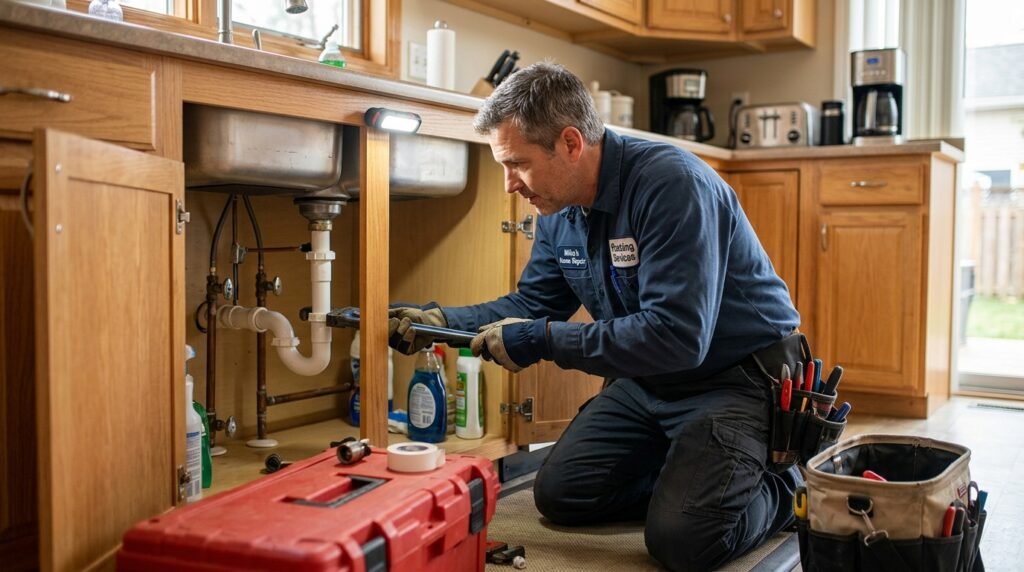
What bathroom plumbing materials do you need? At minimum: taps and mixers with ceramic cartridges, traps, floor drains, flush mechanisms, flexible connectors and isolation valves. These parts see daily use, so quality shows quickly.
Bathroom plumbing materials get abused more than most people realise. Cartridges wear, flexible hoses age, and cheap flush mechanisms fail first. Spending a little more here usually pays off.
For concealed cisterns and in-wall parts, buy the best you can afford, because replacing them means opening the wall. In kitchens, check the sink trap, waste fittings and the supply connections for appliances like dishwashers. If you’re planning a bigger project, our kitchen renovation guide for Dubai covers costs and process.
Heaters, boosters and pumps also need power, so electrical and plumbing materials have to be planned together. Check cable ratings, isolators and earthing with your electrician. Our overview of plumbing and electrical services in Dubai explains how the two trades coordinate.
Step 6: Check Standards, Certification and Compliance
Do you need approved plumbing materials in Dubai? For many projects, yes. Approvals depend on the project type, the authority involved and your consultant’s specifications, so confirm requirements before you buy.
Start with your consultant or contractor. For authority requirements, check with Dubai Municipality and DEWA, since approved lists and rules can change.
When you’re comparing products, look for:
- Certification marks and test reports from the manufacturer
- A datasheet showing pressure and temperature ratings
- Markings printed on the pipe itself (size, rating, standard, batch)
- A written warranty
- Standards references such as ISO, EN, BS, DIN or ASTM
Be careful with uncertified imports and unmarked pipes. They may look identical to good products and still fail under heat or pressure. If the supplier can’t show paperwork, walk away.
Step 7: Balance Budget, Quality and Lifespan
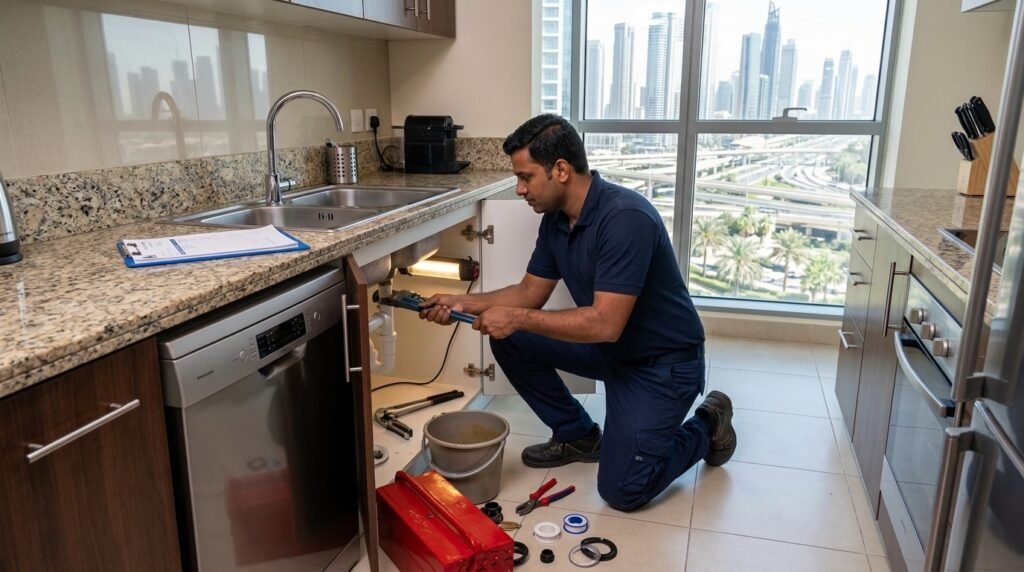
Yes, in places where repairs are expensive. Pay more for concealed pipes, main valves and in-wall parts. Save money on items that are easy to replace.
The cheapest option rarely stays cheapest. A leaking concealed line can mean opening walls, redoing tiles and repairing water damage. That bill is much larger than the saving on pipe.
A simple way to think about it:
- Spend more on concealed pipework, main isolation valves, flush mechanisms inside walls, and anything under tiles.
- Save on accessible items, decorative fittings and parts you can swap in minutes.
Ask for the price of the full system, not just the pipe. Fittings, valves, insulation and labour change the total.
Step 8: Choose a Reliable Supplier in Dubai
How do you choose a plumbing materials supplier? Pick one that stocks certified brands, shares datasheets, gives clear invoices and will take back wrong or damaged items. Stock availability and delivery time matter too.
Plumbing materials suppliers in Dubai range from small trade shops to large distributors. Plumbing supplies Dubai buyers can find in retail stores suit small repairs, while larger projects usually need a trade account. Before committing, ask:
- Are the products certified, and can you see the paperwork?
- Is the item in stock, or on a long lead time?
- Do they offer a return or exchange policy?
- Can they deliver to site?
- Is the price retail or trade?
For a large villa project or a full building, wholesale plumbing materials in Dubai can cut costs, but only if you buy the right quantities and keep the receipts. Check each supplier’s range of plumbing fittings in Dubai too, since a missing reducer or elbow can stall a job for days. For a project that needs full systems, look for plumbing pipes and fittings in Dubai from one source so everything is compatible. It’s also easier to buy electrical and plumbing materials from the same trade supplier when a heater or pump is involved.
If you’d rather not source everything yourself, a licensed plumber can recommend suitable products for your property. You can see how that works in our plumbing repair service guide.
Common Mistakes to Avoid
- Mixing incompatible pipes. Different pipe systems use different joints. Mixing them without proper adapters causes leaks.
- Ignoring temperature and pressure ratings. A pipe that works for cold water may fail on a hot line.
- Skipping insulation on hot lines. Heat loss wastes energy and water.
- Buying uncertified products. Savings disappear the first time a pipe bursts.
- Undersizing pipes. Narrow pipes mean weak flow. If you already have this problem, see our guide to the causes of low water pressure in Dubai.
- Choosing on price alone. Cheap and unmarked is a gamble.
- Leaving UV-exposed plastic uncovered. Sun damage is slow and then sudden.
Frequently Asked Questions
Which pipe is best for hot water in Dubai?
PPR, CPVC, PEX or multilayer and copper are all used for hot water. PPR is popular because it’s affordable and heat-fused. Choose by temperature rating, budget and installer experience. Never use standard uPVC for hot lines.
Is PPR or copper better for villas?
For most villas, PPR gives the best balance of cost and durability. Copper lasts a long time and looks neat when exposed, but costs more and can corrode in some water. Both work when installed well.
What plumbing materials are used in Dubai buildings?
Common choices are uPVC for drainage, PPR or multilayer for supply, HDPE for underground lines, and cast iron in some drainage stacks. Brass or bronze valves and fittings are widely used. The exact mix depends on the building type and consultant specifications.
How long do plumbing pipes last in UAE heat?
It varies. Good pipes installed correctly often last decades, but heat, UV, water quality and poor joints shorten that. Insulation and covering exposed pipe help. Treat manufacturer lifespans as best-case numbers.
Do I need certified plumbing materials in Dubai?
For many projects, yes. Requirements depend on the project and authority, so confirm with your consultant, Dubai Municipality or DEWA before buying. Even where it isn’t required, certified products are a safer bet.
Conclusion
Choosing plumbing materials in Dubai comes down to eight steps: know your project, respect the climate, learn the pipe types, match your fittings, pick good bathroom parts, check certification, balance cost against lifespan, and buy from a supplier you can trust. Get those right and your pipes should serve you for years without surprises.
If you’d like a professional opinion before you buy, FixToday’s plumbing team can look at your property and advise on suitable plumbing materials and installation.